The Advantages of Metal Roofing in Mississauga
When it comes to choosing the right roofing material for your home in Mississauga, metal roofing stands out as an exceptional option. This durable and stylish solution not only enhances the aesthetic appeal of your property but also adds significant value. Metal roofs are particularly well-suited for the diverse climate of the Greater Toronto Area (GTA), where they can withstand harsh winters and humid summers. By opting for metal roofing Mississauga, homeowners can enjoy a host of benefits, including longevity, energy efficiency, and minimal maintenance.
1. Durability and Longevity
One of the most compelling reasons to choose metal roofing is its outstanding durability. Unlike traditional roofing materials such as asphalt shingles, metal roofs are designed to withstand the elements. They resist cracking, shrinking, and eroding, making them ideal for regions like Mississauga that experience extreme weather conditions. Metal roofing can last anywhere from 40 to 70 years, significantly outpacing the lifespan of its competitors.
The durability of metal roofing is largely attributed to its resilience against high winds, heavy snow loads, and ice damming. Moreover, many metal roofing systems come with warranties that cover decades of performance, providing homeowners with peace of mind and excellent long-term value.
2. Energy Efficiency and Cost Savings
Another advantage of metal roofing is its energy efficiency. Metal roofs reflect solar radiant heat, which can result in lower cooling costs during the hot summer months. This energy-efficient property can lead to substantial savings on utility bills, especially as energy prices continue to rise. Furthermore, some metal roofs are made from recycled materials, making them an environmentally friendly choice.
Additionally, many homeowners qualify for energy tax credits or rebates when installing energy-efficient roofing systems, further enhancing the cost-effectiveness of this investment. Over time, the energy savings can offset the initial higher cost of the metal roofing installation…
3. Aesthetic Appeal for Homes
Metal roofing is not only functional but also comes in a wide variety of styles, colors, and designs that can complement any architectural style. Whether you prefer the traditional look of standing seam panels or the rustic charm of metal shingles, there is a metal roofing option for every taste. This versatility allows homeowners to enhance their curb appeal while benefiting from the practical advantages of metal.
With advancements in technology, manufacturers now offer metal roofing that imitates the appearance of more traditional materials like wood shakes or slate. This means you can achieve the aesthetic you desire without compromising on durability.
Factors to Consider When Choosing Metal Roofing
Selecting the right type of metal roofing involves several important considerations to ensure that your investment serves your needs well. From understanding the various materials available to assessing your budget and climate, here are essential factors to keep in mind.
1. Types of Metal Roofing Materials
Metal roofing can be constructed from several different materials, each with its own advantages and characteristics. The most common types include:
- Steel: Known for its strength and affordability, steel roofing is often galvanized or coated to resist rust.
- Aluminum: Lightweight and resistant to corrosion, aluminum is perfect for coastal areas but may come at a higher cost.
- Copper: A premium option that develops a beautiful patina over time, copper roofs are durable and highly resistant to corrosion.
- Metal Shingles: These mimic the look of traditional roofing materials while offering the benefits of metal.
2. Climate Considerations in Mississauga
Mississauga experiences a mixed climate, with cold winters and humid summers. Therefore, it’s essential to choose a roofing material that can withstand these conditions. Metal roofs perform well under snow loads and are less likely to suffer from ice damming compared to other materials. Additionally, opting for a roof with a reflective coating can help manage heat during the summer months, contributing to energy savings.
3. Budgeting for Your Roofing Project
While metal roofing represents a higher upfront investment compared to traditional shingle roofs, the long-term savings and performance often justify the cost. It is crucial to budget not only for the initial installation but also to consider the lifespan, maintenance, and energy savings associated with metal roofing. Obtaining multiple quotes from different contractors can also help you find the best pricing options without compromising quality.
The Installation Process of Metal Roofing
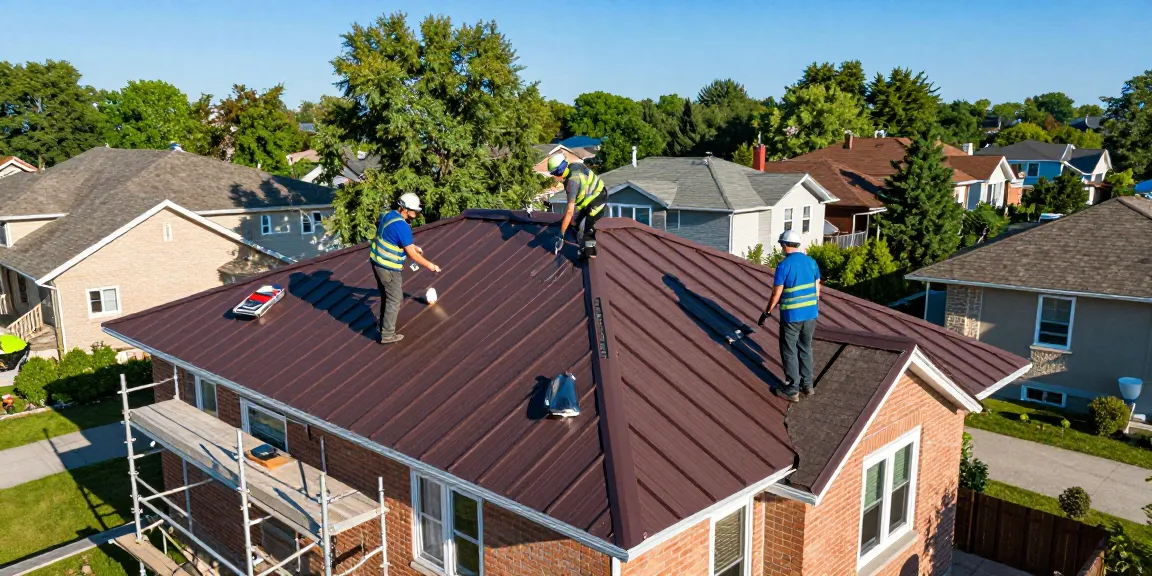
Installing metal roofing is a specialized job that requires professional expertise. Understanding the installation process can help you prepare for your roofing project effectively.
1. Selecting a Professional Contractor
The first step in the installation process is selecting a qualified roofing contractor. Look for companies that have a solid reputation, positive customer reviews, and experience specifically with metal roofing installations. A well-qualified contractor will ensure that your roof is installed correctly, maximizing its lifespan and performance.
2. Steps in the Installation Process
The general steps involved in installing metal roofing include:
- Preparation: This includes removing old roofing materials and inspecting the underlying structure for any damage.
- Installation of Underlayment: A water and ice shield underlayment is installed to provide an extra layer of protection against leaks.
- Metal Panel Installation: Metal panels are laid down, typically starting from the bottom and moving upwards, ensuring proper overlap and secure fastening.
- Final Touches: Flashing, ridge caps, and other components are added to complete the roof and ensure proper drainage.
3. Post-Installation Care and Maintenance
After your metal roof is installed, minimal maintenance is required, but here are some tips to ensure its longevity:
- Regularly inspect your roof for debris, especially in valleys and around penetrations.
- Clean gutters and downspouts to prevent water pooling.
- Address any signs of damage promptly to prevent small issues from becoming larger problems.
Comparing Metal Roofing to Traditional Roofing Options
When considering roofing options, it’s essential to evaluate how metal roofing stacks up against traditional materials to understand its unique benefits.
1. Performance Over Time
Unlike traditional shingles, which may need to be replaced every 15 to 25 years, metal roofing typically lasts two to three times longer. This longevity translates into less frequent replacements and lower long-term costs.
2. Maintenance Requirements
Metal roofs require significantly less maintenance compared to asphalt shingles, which can suffer from moss growth and curling edges. Metal roofs resist mold and algae, meaning they maintain their aesthetic appeal without extensive upkeep.
3. Environmental Impact
Metal roofing is often made from recycled materials and is fully recyclable at the end of its lifespan, making it an environmentally friendly choice. In contrast, traditional roofing materials contribute to landfill waste and are less sustainable in their production processes.
Frequently Asked Questions About Metal Roofing
1. How long does metal roofing last?
Metal roofs can last anywhere from 40 to 70 years, depending on the material and maintenance. This lifespan significantly exceeds that of traditional roofing options.
2. Is metal roofing suitable for all homes?
Yes, metal roofing is suitable for various types of homes. However, design preferences and local building codes should be considered when selecting a roofing type.
3. What are the noise levels associated with metal roofs?
Modern metal roofing systems are designed to minimize noise. Adequate insulation and underlayment can further reduce sound during storms.
4. Can I install metal roofing over existing shingles?
In many cases, metal roofing can be installed over existing shingles, which may save on removal costs and reduce waste.
5. What is the warranty coverage for metal roofs?
Most metal roofs come with warranties ranging from 20 to 50 years, covering material defects and sometimes installation.
Investing in metal roofing in Mississauga can enhance your home’s value, reduce energy costs, and provide durable protection against the elements. Consider reaching out to a professional roofing contractor to discuss your specific needs and begin your roofing journey.