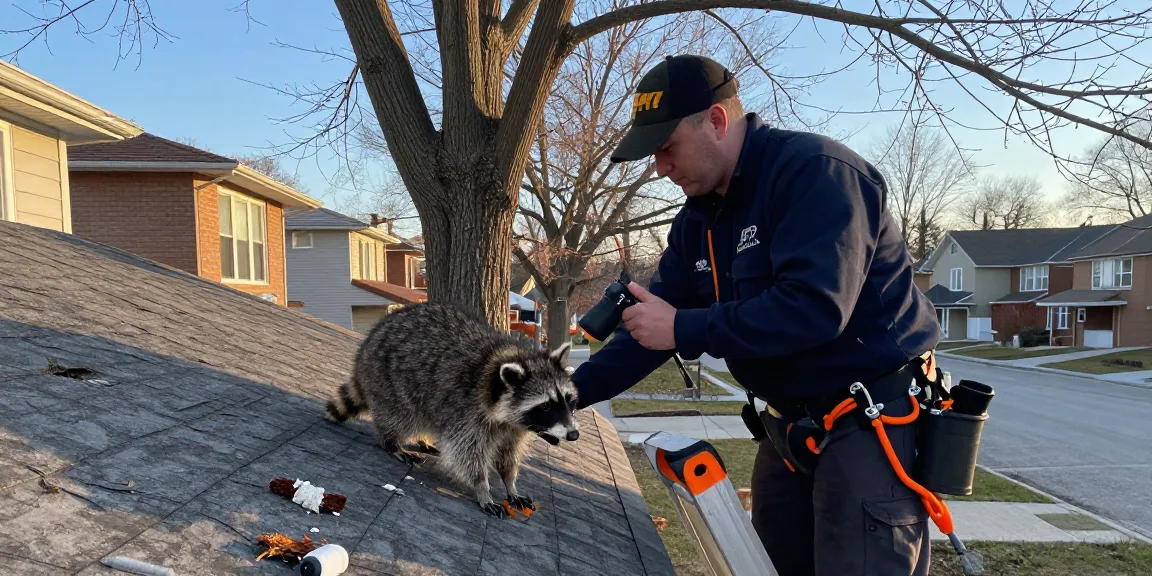
Understanding Raccoon Behavior and Risks
Raccoons are highly adaptive creatures that have become increasingly common in urban environments, including Toronto. Their intelligence and resourcefulness allow them to thrive in areas where human habitation expands. Understanding raccoon behavior is crucial for effective management and removal, especially when they invade our homes. When exploring options, Raccoon Removal Toronto provides comprehensive insights into the strategies tailored to address these challenges.
Why Raccoons Enter Urban Homes?
Raccoons typically seek shelter during the day and are nocturnal foragers at night. They are drawn to urban properties primarily for three reasons: food, shelter, and safety. Urban areas, with their abundance of trash bins, pet food, and gardens, offer a lucrative food source. Moreover, attics, basements, and garages provide safe hiding spots away from predators. Raccoons are particularly attracted to homes that exhibit poor maintenance or lack of proper deterrents, making preventative measures essential for homeowners.
Common Signs of Raccoon Infestations
Recognizing the signs of raccoon infestations is the first step to effective management. Homeowners should be vigilant for:
- Noisy Nights: Raccoons are active at night and can create significant noise while foraging or fighting.
- Damage to Property: Look for claw marks or signs of gnawing near entry points like windows and doors.
- Scattered Trash: Raccoons are notorious for rummaging through garbage bins, leaving a mess in their wake.
- Footprints: Raccoon paw prints can often be found in mud or soft soil, characterized by their distinctive shape.
Health Risks Associated with Raccoon Presence
Beyond property damage, raccoons can pose significant health risks to humans and pets. They are known carriers of zoonotic diseases such as rabies, which can be transmitted through bites or scratches. Additionally, raccoons can excrete parasites like raccoon roundworm, which poses serious health risks if ingested. Therefore, addressing a raccoon infestation swiftly is critical not just for your home but also for your family’s health.
Effective Raccoon Removal Strategies
Successfully managing a raccoon problem requires an understanding of effective removal strategies. This might include both do-it-yourself approaches for minor issues and professional intervention for more significant infestations.
DIY Techniques for Homeowners
For those facing minor raccoon issues, there are several DIY techniques that can help deter these animals:
- Secure Trash Bins: Use raccoon-proof lids and store bins in a garage or shed when not in use.
- Close Off Entry Points: Inspect your home for potential entry points like vents, chimneys, and holes in the roof, sealing them securely.
- Use Deterrents: Natural deterrents such as motion-activated lights or sprinklers can scare raccoons away.
- Remove Food Sources: Feeding pets outside? Bring their food inside after they’ve eaten to avoid attracting raccoons.
When to Call a Professional for Raccoon Removal Toronto?
While DIY methods may work for minor issues, some situations warrant professional intervention. If you notice signs of a large infestation, hear persistent noises in your attic, or spot signs of health risks, it’s best to contact wildlife control professionals. They have the expertise and tools necessary to handle raccoons safely and humanely, ensuring your home is secure.
Choosing the Right Wildlife Control Service
Selecting a reputable wildlife control service is crucial for effective raccoon removal. Look for companies that are licensed and insured, and check for reviews and references from previous clients. A good service will not only remove the raccoons but also offer preventative recommendations to ensure they do not return.
Costs Associated with Raccoon Removal in Toronto
Understanding the costs involved in raccoon removal is essential for homeowners, as it can vary widely based on the severity of the infestation and the methods required for removal.
What to Expect in Terms of Pricing?
On average, homeowners can expect to pay between $200 to $1,500 for raccoon removal services in Toronto, depending on various factors such as the location of the infestation and how many raccoons need to be removed. This cost typically includes inspection, removal, and potential repairs to entry points.
Factors Influencing Removal Costs
Several factors can influence the overall cost of raccoon removal:
- Extent of Infestation: A larger family of raccoons will generally cost more to remove.
- Location: Prices may vary based on the specific area within Toronto.
- Accessibility: Hard-to-reach areas may require additional equipment or labor, increasing costs.
- Damage Repair: If any repairs are needed after removal, that will add to the total cost.
Budgeting for Raccoon Control Solutions
When budgeting for raccoon control solutions, it’s wise to factor in not just the immediate removal costs but also potential long-term expenses for preventative measures. Setting aside a budget for regular inspections and necessary home improvements can be a worthwhile investment to protect your home.
Long-term Prevention of Raccoon Infestations
Preventing raccoon infestations is crucial, especially in urban settings. A proactive approach can save homeowners considerable time and money in the long run.
Home Modifications to Deter Raccoons
Implementing home modifications can significantly reduce the chances of a raccoon infestation. Consider the following:
- Install Raccoon-Proof Grates: Cover potential entry points like vents and chimneys with raccoon-proof grates.
- Reinforce Doors and Windows: Ensure all doors and windows lock securely to prevent raccoons from entering.
- Consider Fencing: A solid fence can deter raccoons from accessing your garden or yard.
Landscaping Tips to Prevent Wildlife Entry
Landscaping plays a vital role in keeping raccoons at bay. By making your yard less attractive to raccoons, you reduce the likelihood of an infestation:
- Avoid Dense Shrubs: Raccoons love dense foliage where they can hide, so opt for more open landscaping.
- Use Thorny Plants: Thorny bushes can act as natural barriers to discourage raccoons.
- Eliminate Water Sources: Standing water can attract raccoons, so fix any leaks and remove standing water in your yard.
Maintaining Clean Outdoor Spaces
Regular maintenance of your outdoor living spaces is essential for preventing raccoon invasions. This includes:
- Cleaning Up Debris: Remove piles of leaves, wood, and other debris where raccoons could establish a nest.
- Securing BBQ Grills: Clean and cover grills to eliminate food sources and prevent raccoons from rummaging.
- Covering Compost Bins: Ensure compost bins are well-covered to prevent raccoons from accessing food scraps.
Future Trends in Wildlife Control in Toronto
As urban areas grow, wildlife control strategies must evolve. Here are some trends likely to shape raccoon management in Toronto going forward.
Innovative Techniques in Wildlife Management (2026)
Emerging technologies such as remote sensing and AI are likely to play a major role in wildlife management by 2026. These innovations will allow for more precise monitoring of wildlife activities and can offer real-time data for effective intervention strategies.
Community Awareness Programs on Urban Wildlife
As cities recognize the impact of urban wildlife, expect more community outreach and awareness programs. These initiatives aim to educate homeowners on coexistence strategies, the importance of wildlife, and how to mitigate human-wildlife conflicts.
Utilizing Technology for Preventive Measures
Smart home technology will also contribute to wildlife prevention. Features such as cameras and motion detectors can alert homeowners to raccoon activity, allowing for timely interventions.
What Should You Do If a Raccoon Is Encountered?
If you encounter a raccoon in your yard, it is vital to remain calm and avoid direct confrontation. Raccoons are generally timid but can become aggressive if cornered. Back away slowly and secure all areas of your property to prevent their return.
How to Identify Potential Raccoon Hazards?
Identifying potential hazards posed by raccoons requires vigilance. Look for signs of digging and scavenging in your yard, as well as any damage to your home that could indicate entry points. Regular inspections can keep you informed and proactive.
What Are the Signs of Rabies in Raccoons?
Raccoons can exhibit several signs if they are infected with rabies, including:
- Uncharacteristic aggressiveness or lethargy
- Disorientation or difficulty walking
- Foaming at the mouth or excessive drooling
- Changes in behavior such as daytime activity
Contact local wildlife control or authorities if you suspect a raccoon may be rabid.