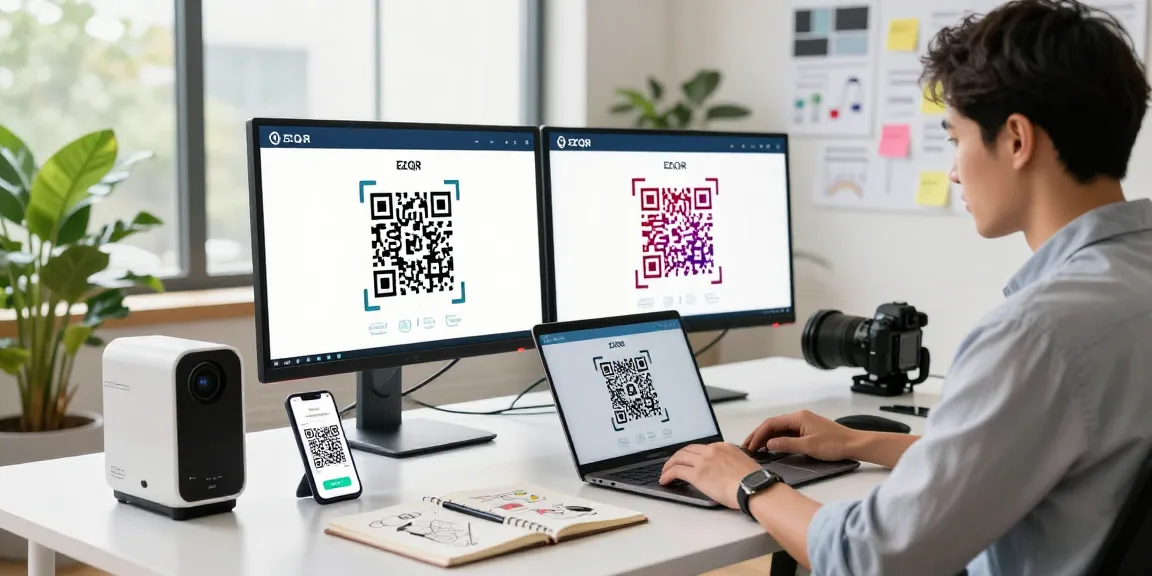
Understanding Dynamic QR Codes
Dynamic QR codes are increasingly revolutionizing how businesses connect with customers and manage their digital assets. Unlike their static counterparts, dynamic QR codes offer remarkable flexibility, making them an ideal solution for businesses looking to adapt their marketing strategies in real time. These codes can change their destination URL without the need for reprinting, allowing organizations to update information based on their needs. When exploring options, Dynamic QR Codes provide comprehensive insights into how companies can leverage them for enhanced engagement.
What are Dynamic QR Codes?
Dynamic QR codes are advanced forms of QR codes that allow users to modify the information stored within them even after they have been printed or distributed. They act as a gateway to a URL or other digital content, but instead of storing this information directly, they link to an online platform that manages the content. This means businesses can change the URL linked to the QR code anytime, ensuring they always deliver the latest information to their audience.
Advantages of Dynamic QR Codes
- Link Management: Easily update destination URLs as needed without reprinting codes.
- Analytics: Track scans to gather data on user engagement, locations, and devices used.
- Cost-Effective: Reduce costs by minimizing the need for new prints for updates.
- Branding: Customize codes to include logos or colors that align with brand identity.
- Enhanced User Experience: Provide users with updated and relevant information instantly.
How Dynamic QR Codes Work
The operation of dynamic QR codes is based on a two-layer system. The first layer is the QR code itself, which contains a short URL directing users to a content management platform. The second layer is the actual content you want the user to access, which you can change as required. When scanned, the QR code redirects the scanner to this URL, allowing them to access the latest version of the content linked to the code. This flexibility is what makes dynamic QR codes a preferred choice in various marketing campaigns.
Benefits of Using Dynamic QR Codes
Implementing dynamic QR codes offers numerous benefits that can significantly enhance marketing strategies. These benefits extend beyond mere convenience, driving genuine engagement and providing valuable insights for businesses. Let’s explore these advantages further.
Enhanced Marketing Capabilities
Dynamic QR codes elevate marketing capabilities by integrating seamlessly into various campaigns. Marketers can link to promotional videos, sign-up forms, or updated product information. The ability to modify links allows businesses to pivot their marketing strategies based on trends or customer feedback, ensuring that their promotional efforts are always relevant.
Tracking and Analytics for Businesses
Having the ability to track how dynamic QR codes perform is invaluable for businesses. Analytics typically include metrics such as the number of scans, geographical locations, and devices used. This data gives businesses the insights needed to refine their marketing strategies, target specific demographics, and maximize ROI through informed decision-making.
Cost-Effectiveness in Long-Term Campaigns
One of the most significant advantages of dynamic QR codes is cost-effectiveness. Businesses can save on printing costs as they don’t have to reprint materials every time a URL changes or new content needs to be linked. This is particularly beneficial for long-term campaigns where updates are frequent.
Creating Dynamic QR Codes with EZQR
Creating dynamic QR codes can be a straightforward process, especially with tools like EZQR. This QR code generator streamlines the creation and management of dynamic codes, providing users with a user-friendly experience from start to finish.
Step-by-Step Guide to Generate Dynamic QR Codes
- Visit the EZQR website.
- Choose the option to create a dynamic QR code.
- Enter the target URL you want the QR code to link to.
- Customize your QR code with design elements (if desired).
- Generate and download your QR code.
Customization Options for Branding
EZQR offers various customization options for dynamic QR codes. Users can tailor colors, shapes, and even embed logos into their QR codes. This customization enhances brand recognition and ensures that the QR codes align with the organization’s identity.
Tracking Performance Metrics
Dynamic QR code solutions, like those provided by EZQR, enable users to track performance metrics efficiently. Businesses can view real-time data on code scans, understand user behaviors, and adjust marketing strategies based on actionable insights derived from these analytics.
Common Misconceptions About Dynamic QR Codes
Despite their numerous benefits, there are still several misconceptions surrounding dynamic QR codes that can deter businesses from utilizing them. Clarifying these misconceptions is essential for better understanding and successful implementation.
Static vs Dynamic QR Codes Explained
The primary difference between static and dynamic QR codes lies in their flexibility. Static QR codes contain fixed information, making them permanent once created. In contrast, dynamic QR codes are editable, allowing users to update the information after creation. This adaptability makes dynamic codes ideal for most business needs, particularly in rapidly changing environments.
Do Dynamic QR Codes Expire?
This is a common question among users considering dynamic QR codes. In general, dynamic QR codes don’t expire when managed through a reputable platform like EZQR. As long as the hosting service remains active, users can retain their QR codes indefinitely, continuously updating them as necessary.
Security Concerns and Solutions
Security is a valid concern, especially when directing users to sensitive information through QR codes. Dynamic QR codes can mitigate these risks by implementing encryption strategies and using secure servers. Best practices would include limiting access to the data the QR code links to and ensuring regular security audits of the hosting platform.
Future Trends in QR Code Technology
As technology evolves, so do the functionalities and applications of QR codes. Looking ahead, several trends promise to shape the future use of QR codes in various industries.
Emerging Uses of QR Codes in Various Industries
Dynamic QR codes are expected to expand their reach across different sectors, including healthcare, retail, and education. For example, in healthcare, QR codes may be used to provide instant access to patient information securely during emergencies. In retail, QR codes can streamline customer experiences, such as providing easy access to promotions or product details.
Technological Advances Impacting QR Code Functionality
Advancements in mobile technology and software development are likely to enhance QR code functionalities. Integration with artificial intelligence (AI) could lead to more personalized scanning experiences, while augmented reality (AR) could allow QR codes to link to interactive digital experiences, increasing user engagement.
Predictions for QR Code Usage in 2026 and Beyond
As we look toward 2026 and beyond, the usage of dynamic QR codes is projected to grow significantly. Increased smartphone penetration and the ongoing digital transformation across industries will contribute to their adoption. Businesses that leverage these technologies will likely see enhanced customer engagement and improved operational efficiencies.
How do I create dynamic QR codes for free?
Creating dynamic QR codes for free is possible by using online generators like EZQR. Users can follow simple steps to generate codes without any associated costs, ensuring they can access this advanced technology without breaking their marketing budgets.
Can I change a QR code destination after printing?
Yes, one of the main advantages of dynamic QR codes is that users can change the URL they point to even after printing. This feature allows for ongoing updates without the need to reprint materials, maintaining relevance and effectiveness in campaigns.
What are some best practices for using QR codes in marketing?
- Make it Easy: Ensure the QR code is easily accessible and accompanies clear instructions on how to use it.
- Test the Code: Always test QR codes before distributing them to ensure they link to the correct content.
- Track Performance: Utilize tracking features to gather insights into user engagement and optimize future campaigns.
- Engage Users: Use dynamic QR codes to offer exclusive deals or content that drives engagement and encourages scans.